
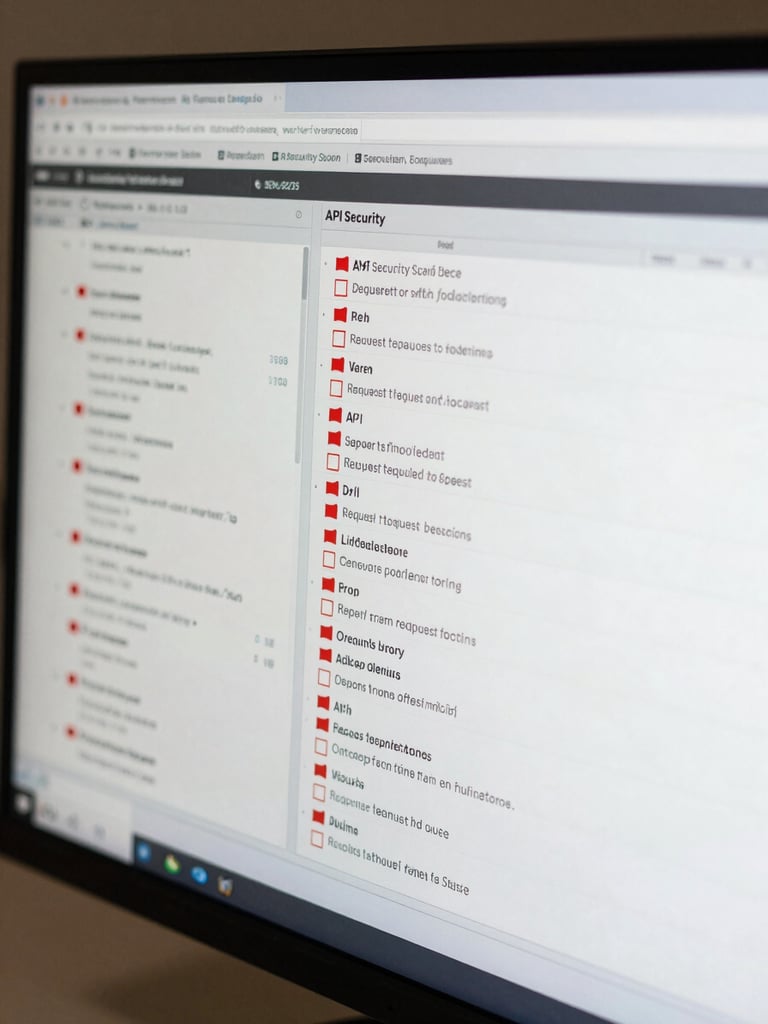
Human threat modeling. Not a scanner report.
We map your full API surface area by hand — logic flaws, broken auth chains, exposure paths scanners skip entirely. Senior engineers in the room, not automated PDFs.
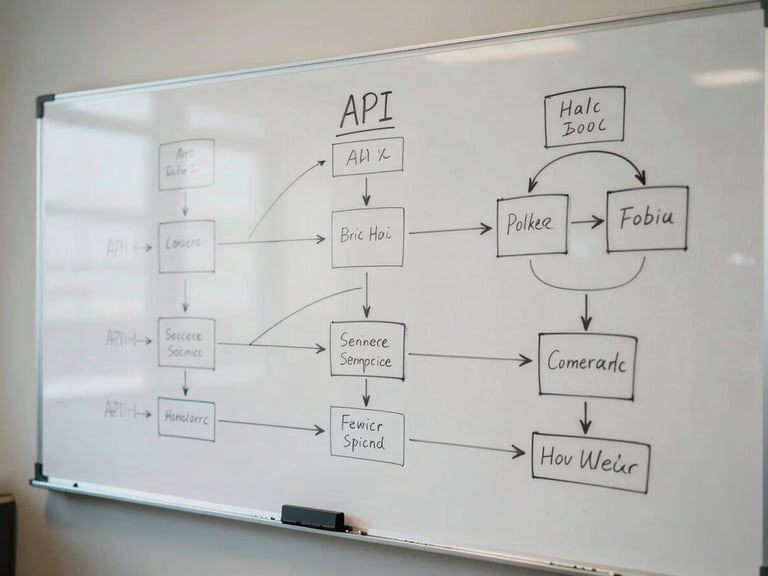
We know exactly what we're looking for
Every engagement starts with a surface-area inventory — every endpoint, every auth boundary, every integration. We build the threat model before we test a single route.
Testing runs in parallel with your sprint cycle. No freeze windows. We scope tightly so your team keeps shipping while we audit what's already in production.
Audit trail and documentation your team owns
Full surface-area map
Sprint-safe pacing
Written findings, yours to keep
Every endpoint catalogued, every auth boundary annotated. You see the complete attack surface before remediation begins.
No production freeze, no month-long pause. We time the audit to your release cadence so delivery keeps moving.
Remediation steps, risk ratings, and reproduction paths — documented so your team can act without us in the room.
Ready to map your API surface?
Tell us what you're running. We'll scope the engagement, agree on a timeline, and put senior engineers on it from day one.